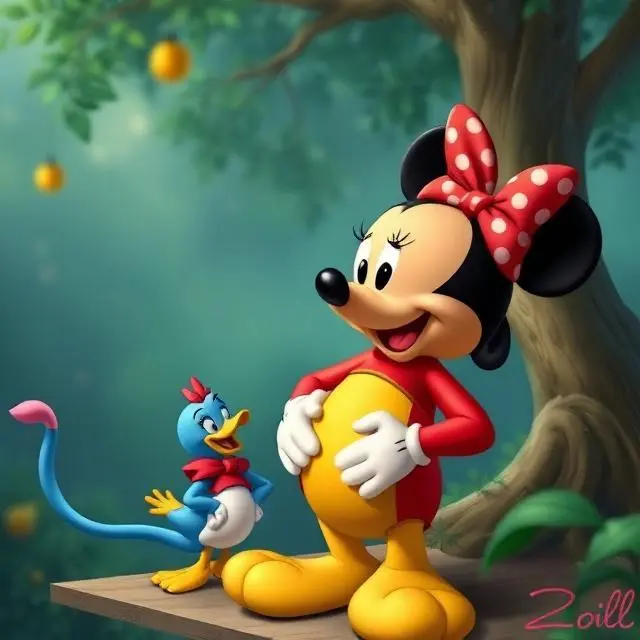

Disney characters have been part of movies, television, theme parks, books, games and family entertainment for generations. Some are instantly recognizable, such as Mickey Mouse, Minnie Mouse and Donald Duck, while others became famous through newer animated stories such as Frozen, Moana, Encanto and Zootopia. Together, they represent one of the largest and most varied collections of fictional personalities in popular entertainment.
What makes Disney characters memorable is not simply their appearance. The strongest personalities have clear goals, weaknesses, relationships and emotional journeys. Simba must accept responsibility, Elsa learns to stop living in fear, Stitch searches for belonging, and Mulan challenges expectations to protect her family. Even villains such as Maleficent, Ursula and Scar remain memorable because their motives and personalities strongly affect the stories around them.
The term can also be used in more than one way. In a narrow sense, it refers to characters created for Walt Disney Animation Studios and classic Disney properties. In everyday use, fans may also include characters from Disney-owned entertainment brands such as Pixar. That is why Woody, Buzz Lightyear, Lightning McQueen and Mike Wazowski frequently appear in broader lists alongside Mickey, Ariel and Simba.
This guide organizes famous names by era, gender, personality, movie, appearance, relationship and role. It also separates official groups, such as the Disney Princess lineup, from informal fan categories so that similar terms do not become confusing.
Most Popular Disney Characters of All Time
Popularity changes by generation, but a small group has remained recognizable across countries and age groups. Mickey Mouse stands above most classic cartoon icons because he became the central mascot of The Walt Disney Company. Minnie Mouse, Donald Duck, Daisy Duck, Goofy and Pluto form the familiar group commonly known as Mickey & Friends.
Movie characters have created equally strong followings. Simba from The Lion King remains one of the best-known animated heroes, while Ariel, Belle, Jasmine and Cinderella continue to represent classic fairy-tale storytelling. Elsa gained enormous recognition after Frozen, and Stitch developed a particularly strong identity through his unusual design, humor and emotional story about family.
Frequently recognized favorites include:
- Mickey Mouse
- Minnie Mouse
- Donald Duck
- Goofy
- Stitch
- Elsa
- Ariel
- Cinderella
- Simba
- Belle
- Winnie the Pooh
- Tinker Bell
- Aladdin
- Jasmine
- Moana
There is no permanent official ranking that declares one character the most popular worldwide. Popularity depends on factors such as generation, country, movie performance, merchandise, streaming interest and personal nostalgia. Mickey, however, has a special position because his image represents Disney itself rather than only one movie.
Disney Characters A to Z
An alphabetical list is one of the easiest ways to find a name when you remember only its first letter. The Disney universe is far too large for every character ever created to fit into a short A-to-Z list, so the following selection focuses on recognizable names from major animated films, shorts and related properties.
A: Abu, Alice, Aladdin, Anna, Ariel, Aurora
B: Baloo, Bambi, Baymax, Belle, Bolt, Bruno Madrigal, Buzz Lightyear
C: Captain Hook, Cheshire Cat, Chip, Cinderella, Cruella de Vil
D: Daisy Duck, Donald Duck, Dopey, Dumbo
E: Eeyore, Elsa, Evil Queen
F: Fairy Godmother, Figaro, Flik, Flounder
G: Gaston, Genie, Goofy, Grumpy
H: Hades, Hiro Hamada
I: Iago, Isabela Madrigal
J: Jack Skellington, Jasmine, Jiminy Cricket, Judy Hopps
K: Kaa, Kanga, Kristoff, Kuzco
L: Lady, Lightning McQueen, Li Shang, Lilo, Lumière
M: Maleficent, Maui, Merida, Mickey Mouse, Minnie Mouse, Mirabel, Moana, Mulan, Mushu
N: Nala, Nick Wilde
O: Olaf, Oliver
P: Peter Pan, Piglet, Pinocchio, Pluto, Pocahontas, Pongo
Q: Queen of Hearts
R: Rafiki, Rapunzel, Raya, Robin Hood
S: Scar, Sebastian, Simba, Snow White, Stitch, Sven
T: Tiana, Tigger, Tinker Bell, Timon
U: Ursula
V: Vanellope von Schweetz
W: Wall-E, Wendy Darling, Winnie the Pooh, Woody
X: Xandra
Y: Yama
Z: Zazu
Some letters naturally contain many more recognizable names than others. Letters such as M and S have numerous major characters, while Q, X, Y and Z have fewer widely known examples.
Famous Female Characters
Female Disney characters range from princesses and queens to warriors, mothers, villains, inventors and ordinary young women placed in extraordinary situations. Their roles have also changed significantly across different periods of animation.
Classic heroines such as Snow White, Cinderella and Aurora are strongly associated with fairy tales. Ariel, Belle, Jasmine, Pocahontas and Mulan introduced increasingly independent ambitions, while later characters such as Tiana, Rapunzel, Merida, Moana, Raya and Mirabel are often driven by careers, family responsibilities, personal freedom or leadership.
Elsa and Anna are among the most famous modern female animated characters, although neither belongs to the official Disney Princess brand. Elsa is Queen of Arendelle and later follows a different path, while Anna eventually takes on royal leadership.
Other notable female names include Minnie Mouse, Daisy Duck, Nala, Megara, Esmeralda, Wendy Darling, Alice, Lilo, Tinker Bell, Judy Hopps and Isabela Madrigal.
This diversity matters because “female character” is a much broader category than “princess.” A female protagonist can be a queen, police officer, warrior, child, fairy, animal or villain without belonging to the Princess franchise.
Famous Male Disney Characters
Male characters include some of Disney’s oldest cartoon personalities as well as heroes, princes, fathers, sidekicks and villains from animated films. Mickey Mouse, Donald Duck and Goofy represent the classic cartoon era, while characters such as Simba, Aladdin and Hercules became prominent movie heroes.
Not every memorable male lead is a prince. Quasimodo is a bell ringer, Tarzan grows up in the jungle, Jim Hawkins is an adventurous teenager, Hiro Hamada is a gifted inventor, and Nick Wilde is a fox who eventually works with Judy Hopps.
Popular male names include:
- Mickey Mouse
- Donald Duck
- Goofy
- Simba
- Aladdin
- Hercules
- Kristoff
- Maui
- Flynn Rider
- Prince Eric
- Beast
- Peter Pan
- Tarzan
- Baymax
- Nick Wilde
Some are remembered for bravery, while others are famous mainly for comedy or companionship. Goofy and Olaf create humor, Baymax is associated with care and protection, and Simba’s story centers on responsibility and leadership.
Disney Princess Characters
The official Disney Princess group should not be confused with every royal woman who appears in a Disney film. As of 2026, the official lineup consists of Snow White, Cinderella, Aurora, Ariel, Belle, Jasmine, Pocahontas, Mulan, Tiana, Rapunzel, Merida, Moana and Raya.
Each represents a different story and setting. Snow White, Cinderella and Aurora come from early European-style fairy tales. Ariel is a mermaid princess, Jasmine belongs to the world of Aladdin, Pocahontas is inspired by a historical figure, Mulan is a warrior, Tiana is an ambitious restaurant owner, and Rapunzel seeks life beyond her tower.
Merida places independence and family at the center of Brave. Moana is a wayfinder whose journey is tied to her people and the ocean. Raya is a warrior from Kumandra who must rebuild trust across divided lands.
A common question is: Are Elsa and Anna official Disney Princesses? Despite their royal identities and enormous popularity, they are generally marketed through the Frozen franchise rather than the official Princess lineup.
That distinction is useful when someone specifically searches for the official princess list rather than every princess or queen appearing in an animated movie.
Disney Villain Characters
A strong villain gives the hero a meaningful obstacle, and Disney animation has produced some of cinema’s most recognizable antagonists. Early villains were often clearly evil from the beginning, while later stories sometimes give antagonists more complicated motivations or avoid a traditional villain entirely.
The Evil Queen from Snow White and the Seven Dwarfs is one of the earliest major animated villains. Maleficent curses Aurora in Sleeping Beauty, Ursula bargains with Ariel in The Little Mermaid, Jafar seeks political and magical power in Aladdin, and Scar plans to take control of the Pride Lands in The Lion King.
Other memorable villains include:
- Cruella de Vil
- Captain Hook
- Hades
- Gaston
- Queen of Hearts
- Yzma
- Dr. Facilier
- Mother Gothel
- Lady Tremaine
- Governor Ratcliffe
- Claude Frollo
- Prince Hans
What makes the best Disney villains memorable? Usually it is a combination of visual design, distinctive dialogue, clear motivation and a strong personal connection to the protagonist. Scar threatens Simba’s family and kingdom, while Mother Gothel directly manipulates Rapunzel’s identity and freedom.
Cute Disney Characters
Cuteness often comes from expressive faces, small proportions, unusual movement and innocent behavior. This explains why tiny companions and animal characters frequently dominate lists of adorable animated personalities.
Stitch is an unusual example because he combines a cute appearance with destructive behavior. His large ears, expressive eyes and compact body make him visually appealing, while his emotional development turns him into a sympathetic character. Dumbo similarly uses oversized ears as both a defining visual feature and an important part of his story.
Other commonly described cute characters include Bambi, Thumper, Piglet, Winnie the Pooh, Chip, Dale, Pascal, Olaf, Baymax, Marie and baby versions of characters such as Simba.
Cute design does not always mean a character is childish or weak. Baymax protects Hiro, Stitch possesses remarkable physical abilities, and small sidekicks such as Pascal often show courage despite their size.
For younger audiences, these characters are especially easy to recognize because their silhouettes, colors and facial expressions remain distinctive even outside their original films.
Funny Disney Characters
Comedy plays an important role in balancing emotional or dramatic stories. Funny characters can release tension, make young viewers feel comfortable and give serious protagonists someone with a contrasting personality.
Goofy is one of the longest-lasting examples. His clumsy behavior and distinctive voice turned him into a central member of Mickey & Friends. Donald Duck creates a different style of humor through impatience and explosive frustration.
Movie comedy often comes from sidekicks. Timon and Pumbaa bring humor into Simba’s difficult journey in The Lion King. Genie provides rapid jokes and transformations in Aladdin. Mushu gives Mulan a loud, confident companion, while Olaf’s innocent interpretation of the world creates many of Frozen‘s lighter moments.
Other funny favorites include Kronk, Dory, Forky, Mater, Sebastian and the seven dwarfs, depending on how broadly Disney-owned animation is included.
Humor also helps make personalities easier to remember. A distinctive comic habit can become as recognizable as a costume, song or catchphrase.
Disney Animal Characters
Animals have appeared at the center of Disney storytelling almost from the beginning. Some behave mostly like real animals, while others speak, wear clothes, build communities or live in worlds entirely populated by anthropomorphic species.
Mickey Mouse and Minnie Mouse are mice, Donald and Daisy are ducks, and Goofy is an anthropomorphic dog-like character. Pluto is also a dog but behaves much more like a traditional pet, which shows how differently animals can function even within the same cartoon universe.
Movie examples include Simba and Nala from The Lion King, Bambi and Thumper from Bambi, Baloo from The Jungle Book, Dumbo, Robin Hood, Lady and Tramp, Pongo and Perdita, and Judy Hopps and Nick Wilde from Zootopia.
Popular animal categories include:
- Dogs: Pluto, Goofy, Lady, Tramp, Pongo, Perdita and Bolt
- Cats and felines: Marie, Duchess, Figaro, Simba, Nala and Tigger
- Bears: Winnie the Pooh, Baloo and Little John
- Birds: Donald Duck, Daisy Duck, Zazu and Iago
- Rabbits: Judy Hopps, Thumper and Rabbit
Animal stories allow writers to discuss friendship, family, prejudice, courage and responsibility in imaginative settings without being limited to human characters.
Classic Disney Characters
“Classic” usually refers to personalities associated with Disney’s early cartoons and older animated features rather than one formally defined period. Mickey Mouse, Minnie Mouse, Donald Duck, Daisy Duck, Goofy and Pluto are central classic icons because they appeared repeatedly rather than belonging to only one feature film.
Older feature animation added Snow White, the Seven Dwarfs, Pinocchio, Jiminy Cricket, Dumbo, Bambi, Thumper, Cinderella, Alice, Peter Pan, Tinker Bell, Lady and Tramp.
What separates a classic character from a merely old one? Longevity is important. A character becomes a classic when audiences continue recognizing the design, personality or story decades after its introduction.
Many classic personalities also established storytelling patterns used later. Jiminy Cricket serves as a conscience, Tinker Bell became a recognizable fairy figure, and characters from Cinderella helped define Disney’s fairy-tale identity.
Their continued presence in merchandise, parks, television, anniversary releases and family collections allows children to encounter characters created many decades before they were born.
Modern Disney Characters
Modern animation has broadened both visual styles and the kinds of stories told. Recent protagonists often focus on family, identity, community and personal responsibility rather than relying entirely on traditional romance.
Elsa and Anna from Frozen changed expectations by making sisterhood the emotional center of their story. Moana’s central journey focuses on leadership, heritage and restoring balance. Mirabel in Encanto has no magical gift but becomes essential to repairing the Madrigal family’s relationships.
Other recognizable modern names include Baymax and Hiro from Big Hero 6, Judy Hopps and Nick Wilde from Zootopia, Raya and Sisu from Raya and the Last Dragon, and characters introduced through newer Disney and Pixar productions.
Modern stories also make the boundary between hero and villain less predictable. Some films focus on misunderstandings, social pressures, family conflicts or internal struggles instead of introducing a single obviously evil antagonist.
This gives younger audiences a wider range of personalities to connect with while keeping familiar Disney themes such as courage, friendship, hope and family.
Disney Characters From Popular Movies
Some movies become closely associated with an ensemble rather than one protagonist. Knowing the major cast makes it much easier to identify unfamiliar names or remember which story a character belongs to.
The Lion King centers on Simba, Nala, Mufasa, Scar, Timon, Pumbaa, Rafiki and Zazu. Frozen includes Elsa, Anna, Kristoff, Olaf, Sven and Hans. Aladdin features Aladdin, Jasmine, Genie, Abu, Jafar and Iago.
The Little Mermaid includes Ariel, Prince Eric, Sebastian, Flounder, King Triton and Ursula. Beauty and the Beast features Belle, Beast, Gaston, Lumière, Cogsworth, Mrs. Potts and Chip.
Newer ensembles are equally important. Encanto revolves around Mirabel and the Madrigal family, including Alma, Julieta, Pepa, Bruno, Isabela, Luisa, Dolores, Camilo and Antonio. Zootopia is strongly associated with Judy Hopps and Nick Wilde.
Looking at casts by movie is useful because relationships often explain a character better than isolated descriptions. Simba makes more sense beside Mufasa and Scar, just as Mirabel’s story depends on understanding the Madrigal family.
For the latest updates and insights, explore Simple Practice today.
Most Famous Disney Heroes
A Disney hero is not necessarily the strongest person in a story. Heroism is more often shown through difficult decisions, sacrifice, persistence or protecting another person.
Simba becomes heroic when he stops running from his past and accepts responsibility for the Pride Lands. Mulan risks herself to protect her father and later plays a major role in defending China. Hercules wants to prove himself, but his story ultimately defines being a true hero through selfless action rather than physical strength.
Aladdin repeatedly faces the temptation to hide his identity but must eventually act honestly. Moana continues across the ocean despite fear and uncertainty because her community needs help. Raya learns that rebuilding a divided world requires trust as well as fighting skill.
Other notable heroic figures include Tarzan, Quasimodo, Hiro Hamada, Baymax, Robin Hood, Peter Pan and Prince Phillip.
A useful way to identify a hero is to ask: What does the character choose when doing the right thing becomes difficult? That decision often matters more than powers, royal status or physical ability.
Best Disney Sidekick Characters
Sidekicks support the protagonist but often become fan favorites in their own right. The best ones contribute to the plot rather than existing only for jokes.
Genie helps Aladdin but also has a personal desire for freedom. Mushu accompanies Mulan while trying to restore his own status. Sebastian is ordered to watch Ariel but gradually becomes one of her most loyal allies.
Timon and Pumbaa give Simba a home when he is isolated, while Olaf repeatedly emphasizes warmth, friendship and love despite being a snowman. Pascal supports Rapunzel quietly but expresses a surprisingly strong personality through reactions and body language.
Other memorable companions include Abu, Flounder, Sven, Meeko, Cri-Kee and Baymax. Some may function as friends rather than traditional sidekicks, but their narrative purpose is similar: they support the protagonist emotionally or practically.
A strong sidekick usually works because the personality contrasts with the hero. That difference creates humor, disagreement and opportunities for character growth.
Disney Couple Characters
Romance has been part of Disney storytelling since its earliest feature films, although the way relationships are presented has changed over time.
Mickey Mouse and Minnie Mouse form one of the company’s longest-running fictional couples. Classic fairy-tale films include Snow White and her Prince, Cinderella and Prince Charming, and Aurora and Prince Phillip.
Later couples receive more interaction before romance develops. Ariel and Eric connect across two different worlds, while Belle and Beast gradually change their opinions of each other. Aladdin and Jasmine both struggle against expectations placed on them because of social status.
Rapunzel and Eugene, also known as Flynn Rider, begin as reluctant traveling partners before developing genuine trust. Tiana and Naveen initially clash because they approach life differently, but their shared experience allows both to grow.
Not every modern story requires romance. Frozen, Moana, Encanto and Raya and the Last Dragon show how family, community and friendship can serve as the main emotional relationships.
Disney Characters by Color and Appearance
Appearance-based searches are useful when someone remembers what a character looked like but has forgotten the name. Hair color, clothing, species and distinctive accessories can narrow the possibilities quickly.
Well-known red-haired characters include Ariel, Merida and Anna, although exact shades and designs can vary between productions. Blonde characters include Rapunzel for much of Tangled, Aurora and Cinderella in familiar animated designs.
Snow White, Mulan and Jasmine are associated with dark hair. Belle has brown hair, while Mirabel is easily recognized by her curly dark hair, green glasses and embroidered clothing.
Other distinctive visual traits include:
- Elsa: very light blonde hair and ice-themed styling
- Merida: large, curly red hair
- Rapunzel: exceptionally long magical hair for much of her film
- Mirabel: green glasses
- Pinocchio: long nose associated with dishonesty
- Dumbo: oversized ears
- Stitch: blue alien appearance and large ears
- Mickey Mouse: round ears and familiar mouse silhouette
Color alone should not be treated as a fixed identity because costumes, animation styles and adaptations can change. Combining two or three features usually gives a much more accurate identification.
Brave and Strong Disney Characters
Strength can mean physical power, emotional resilience, leadership or the willingness to face danger. This is why characters without supernatural abilities can be just as strong as those with magical powers.
Mulan shows courage by entering a dangerous situation to protect her father and later proves herself through intelligence and determination. Moana crosses the ocean despite limited experience because her island faces a serious threat.
Merida is an expert archer with a fiercely independent personality. Raya is trained as a warrior but learns that rebuilding trust can require more courage than defeating an enemy. Elsa possesses enormous magical power, yet her most important battles involve fear, identity and responsibility.
Male heroes show different forms of strength too. Hercules possesses extraordinary physical abilities, Simba develops leadership, and Quasimodo finds the courage to act despite years of isolation and manipulation.
The most meaningful stories usually combine ability with vulnerability. A hero who feels fear but continues anyway often appears braver than someone who never feels threatened.
Disney Characters From the 1990s
The 1990s produced an especially influential period of Disney animation. Many films from this era combined memorable songs, expressive animation, comedy and dramatic storytelling, creating personalities that remain prominent today.
Belle and Beast became central figures through Beauty and the Beast. Aladdin introduced Aladdin, Jasmine, Genie, Jafar and Abu. The Lion King brought Simba, Mufasa, Nala, Scar, Timon and Pumbaa.
Pocahontas, Quasimodo, Esmeralda, Hercules, Megara, Mulan, Mushu and Tarzan expanded the decade further. Each film used a different historical, mythological or fictional setting.
The period is particularly important for female protagonists. Belle values reading and independence, Jasmine challenges restrictions placed on her choices, and Mulan enters a role society does not expect her to occupy.
Because these films were repeatedly released on home video and later streaming platforms, their casts became familiar to multiple generations rather than remaining tied only to audiences who watched them in theaters.
Disney Characters From the 2000s
The 2000s were more experimental than the previous decade. Disney animation moved between traditional hand-drawn films and computer animation while telling stories that did not always follow the classic princess formula.
Lilo and Stitch became two of the decade’s most enduring names. Their story focuses on loneliness, loss, friendship and the Hawaiian concept of family. Stitch begins as a destructive alien experiment but gradually develops a powerful bond with Lilo and Nani.
Other notable names include Kuzco, Pacha and Yzma from The Emperor’s New Groove; Milo Thatch and Kida from Atlantis: The Lost Empire; Jim Hawkins from Treasure Planet; and Tiana and Prince Naveen from The Princess and the Frog near the end of the decade.
Pixar’s growth under the broader Disney umbrella also made characters such as Sulley, Mike Wazowski, Nemo, Dory, Mr. Incredible, Lightning McQueen, Remy and WALL-E major family-entertainment icons.
The decade therefore helped expand what audiences expected a Disney-associated animated protagonist to look and act like.
Disney Characters From the 2010s
The 2010s created several characters that quickly joined the company’s most recognizable modern properties.
Rapunzel and Flynn Rider helped begin the decade with Tangled. Merida followed in Brave, while Wreck-It Ralph introduced Ralph and Vanellope. Elsa, Anna, Olaf, Kristoff and Sven became global favorites after Frozen.
Later films added Hiro Hamada and Baymax from Big Hero 6, Judy Hopps and Nick Wilde from Zootopia, and Moana and Maui from Moana. These stories moved across fantasy kingdoms, modern cities, video-game worlds and Polynesian-inspired ocean adventures.
One major change was the increased importance of relationships beyond romance. Elsa and Anna’s sisterhood drives Frozen, Hiro’s grief and friendship with Baymax shape Big Hero 6, and Judy and Nick’s partnership anchors Zootopia.
That variety helped create a modern generation of animated icons without simply copying the princess-and-prince structure of earlier fairy tales.
Disney Characters From the 2020s
The 2020s have continued the shift toward family relationships, cultural settings, community conflicts and different forms of heroism.
Raya and Sisu from Raya and the Last Dragon explore trust in a divided fantasy world. Encanto introduced the large Madrigal family, with Mirabel at the center of a story about expectations, gifts and generational pressure.
Strange World introduced the Clade family within a science-fiction adventure, while Wish centered on Asha and Star. Moana 2 returned to Moana, Maui and their ocean-based world with a wider voyage and new challenges.
The decade has also revived existing franchises. Returning properties allow older favorites to interact with newly introduced personalities, meaning the modern catalog includes both completely original casts and expanded versions of familiar universes.
This makes the 2020s different from a simple “new generation.” Modern Disney entertainment increasingly combines original stories, sequels, reimagined properties and characters whose popularity began decades earlier.
New Disney Characters in 2026
The phrase “new characters” should be used carefully. Mickey, Elsa, Stitch or Moana may be popular in 2026, but that does not make them newly created. A genuinely new character must be introduced through a recent production rather than simply returning in a sequel or remake.
One major 2026 animated release is Disney and Pixar’s Hoppers. Its story introduces Mabel, an animal lover whose consciousness is transferred into a robotic beaver so that she can communicate with animals. The film’s cast also includes new personalities such as King George, Mayor Jerry, Titus and the Insect Queen.
Toy Story 5 returned Woody, Buzz Lightyear, Jessie and other familiar toys while adding Lilypad, a new tablet character whose arrival creates a conflict between traditional toys and technology. This is a good example of a sequel adding a new personality to a long-established cast.
Disney’s 2026 live-action Moana revisits Moana and Maui rather than replacing them with completely new central characters. Because it is a reimagining of an existing story, those names belong under returning favorites rather than a list of newly created animated icons.
When checking future additions, release dates matter. Announced characters may change before a film or series is released, so confirmed released productions provide a more reliable basis for a current list.
Iconic Disney Characters Everyone Knows
An iconic character is more than popular for a short period. The design or personality becomes recognizable even to people who have not recently watched the original movie.
Mickey Mouse is the clearest example. His circular ears alone can be enough to communicate his identity. Minnie Mouse, Donald Duck and Goofy also benefit from decades of appearances across cartoons, products and theme-park entertainment.
Princesses such as Cinderella, Snow White and Ariel developed similarly recognizable visual identities. Tinker Bell became closely connected with Disney imagery beyond Peter Pan, while Winnie the Pooh remains recognizable across generations.
Film icons include Simba, Genie, Stitch and Elsa. Their popularity extends beyond a single scene because each has a distinctive combination of appearance, personality and story.
Recognition also depends on cultural exposure. A character can be extremely popular among younger viewers but less familiar to older generations, whereas Mickey has remained visible across many eras. That long-term presence is what separates a true cultural icon from a temporary trend.
Underrated Disney Characters Worth Knowing
Not every well-written personality becomes a major merchandising icon. Some appear in films that received less attention, while others simply share the story with a more famous lead.
Milo Thatch and Kida from Atlantis: The Lost Empire are good examples. Milo is an intelligent linguist and historian rather than a conventional action hero, while Kida connects the adventure to the history and survival of Atlantis.
Jim Hawkins from Treasure Planet has another distinctive journey. His story combines science fiction with themes of abandonment, trust and mentorship. Characters such as Long John Silver add emotional complexity because their relationship with Jim does not fit neatly into a simple hero-versus-villain structure.
Other frequently overlooked personalities include Audrey Ramirez, Captain Amelia, Esmeralda, Quasimodo, Basil of Baker Street, Eilonwy and Koda.
“Underrated” is naturally subjective. It does not mean these personalities have no fans. It simply describes characters whose stories or development may deserve more attention than their current mainstream visibility suggests.
Most Loved Disney Characters by Fans
Fan affection cannot be measured by one permanent list because different generations value different stories. Someone raised on classic shorts may choose Mickey or Donald, while a viewer who grew up with the Disney Renaissance might prefer Ariel, Simba or Mulan.
Modern audiences often show strong affection for Stitch, Elsa, Rapunzel, Moana, Baymax and characters from Encanto. Stitch is especially notable because his mischievous behavior contrasts with his emotional need for belonging.
Nostalgia plays a major role. Winnie the Pooh can remind adults of childhood stories, while younger viewers may connect more strongly with Olaf or Mirabel.
Personality matters as much as fame. Donald attracts fans who enjoy his temper and persistence, Belle appeals to people who admire curiosity, and Mulan is loved for determination and courage.
There is therefore no single objective “most loved” list. Search interest, merchandise, social conversation, streaming popularity and park visibility can indicate popularity, but personal attachment remains impossible to reduce to one universal ranking.
Disney Characters With Unique Powers
Magic and supernatural abilities appear throughout Disney storytelling, but powers usually work best when they create problems as well as solutions.
Elsa can create and control ice and snow. Her ability is visually spectacular, but fear of losing control becomes one of the central conflicts of Frozen. Rapunzel’s magical hair originally possesses healing properties and is tied directly to Mother Gothel’s desire to keep her isolated.
Genie has extraordinary magical abilities, although rules restrict how his powers can be used. Maui possesses a magical fishhook that allows transformations, while Hercules has superhuman strength linked to his divine origin.
Other examples include:
- Maleficent: powerful dark magic and transformation
- Ursula: sea magic and magical bargains
- Merlin: wizardry and transformation
- Fairy Godmother: transformative magic
- Sisu: dragon-related magical abilities
- Bruno Madrigal: visions of possible future events
- Pepa Madrigal: weather influenced by emotion
- Luisa Madrigal: extraordinary strength
Powers do not automatically make a character heroic. Disney often uses magic to reveal personality: the important question is not only what can they do? but how do they choose to use what they have?
Disney Characters Known for Friendship and Loyalty
Friendship is one of the most consistent themes across Disney stories. Some of the strongest relationships develop between personalities who initially have very little in common.
Timon and Pumbaa take Simba in when he is alone and remain beside him when he returns to confront his past. Lilo continues believing in Stitch even when his destructive behavior creates serious problems. Their relationship supports the larger idea of ohana, or family, at the heart of their story.
Judy Hopps and Nick Wilde begin with mistrust but develop an effective partnership. Aladdin and Genie move beyond a master-and-magical-servant arrangement toward genuine friendship. Pooh, Piglet, Tigger, Eeyore and their companions repeatedly support one another in the Hundred Acre Wood.
Anna’s loyalty to Elsa is another important example because their relationship drives Frozen more strongly than a traditional romantic plot.
These bonds make stories emotionally effective because loyalty must usually survive disagreement, fear or sacrifice. Friendship becomes meaningful when characters choose to remain supportive even after circumstances become difficult.
Famous Disney Families
Family can provide safety, conflict, motivation or all three at once. Modern animated stories especially use family relationships as the central structure of the plot.
The Madrigals from Encanto are one of the clearest examples. Abuela Alma leads a multigenerational household in which most family members possess magical gifts. Mirabel’s lack of a visible gift initially makes her feel different, but the family’s deeper problem is the pressure attached to those abilities.
Frozen centers strongly on sisters Elsa and Anna. The Lion King uses the relationship between Simba and Mufasa to shape Simba’s identity, while Scar represents the destructive side of that royal family.
Other important families include:
- Lilo and Nani
- The Parr family from The Incredibles
- The Darling family from Peter Pan
- The Banks family from Mary Poppins
- The Clade family from Strange World
- The Duck family surrounding Donald and his relatives
Healthy families in these stories are not always perfect. Conflict often becomes the mechanism through which characters learn communication, forgiveness, responsibility and acceptance.
Disney Characters With Memorable Personalities
A memorable design can attract attention, but personality gives a character staying power. Strong personalities can often be recognized from behavior even without seeing the character.
Donald Duck is impatient, emotional and determined. Goofy is clumsy but warm-hearted. Tigger is energetic and enthusiastic, while Eeyore is quiet and pessimistic. Their differences make group scenes more entertaining because each reacts differently to the same situation.
Princess characters also have distinct traits. Belle is curious and loves books. Merida values independence. Tiana is practical and hardworking. Rapunzel is energetic and curious about the world outside her tower.
Villains benefit from equally clear identities. Hades uses fast, sarcastic humor; Gaston is arrogant and self-obsessed; Yzma is theatrical and ambitious; Scar is calculating and bitter.
This is why the strongest animated casts feel varied. If every hero were brave in exactly the same way or every villain behaved identically, the stories would quickly become predictable.
Best Disney Characters for Kids
The best choice for a child depends on age, sensitivity and interests. Younger children often respond well to friendly designs, simple humor and stories with clear emotional lessons.
Mickey Mouse and friends are easy to recognize and appear in content designed for a broad range of ages. Winnie the Pooh, Piglet and Tigger are associated with gentle friendship stories, while characters such as Olaf and Baymax combine humor with caring personalities.
Children who enjoy adventure may connect with Moana, Rapunzel, Simba or Judy Hopps. These characters face obstacles but continue trying, making them useful examples of persistence.
Useful positive themes include:
- Moana: responsibility and perseverance
- Tiana: hard work and goals
- Mulan: courage and family devotion
- Mirabel: self-worth and family communication
- Baymax: care and helping others
- Judy Hopps: persistence despite discouragement
- Lilo and Stitch: belonging and family
Parents should still consider the individual movie rather than judging suitability only by a character’s appearance. Some stories contain frightening villains, loss, danger or emotionally intense scenes even when the protagonist is child-friendly.
Disney Characters That Became Cultural Icons
Only a small number of fictional personalities become recognizable beyond their original entertainment context. Disney has several because the company has repeatedly used major characters across films, television, merchandise, publishing and theme parks.
Mickey Mouse is the strongest example. His design became closely associated with the Disney brand itself, making him recognizable far beyond the cartoons in which he appears.
Minnie Mouse, Donald Duck and Goofy also achieved long-term recognition. Cinderella became an enduring symbol of the fairy-tale transformation story, while Tinker Bell developed a visual identity strongly associated with Disney magic.
Later films created their own cultural touchpoints. Simba’s journey, Stitch’s distinctive design and Elsa’s ice-powered appearance became instantly recognizable parts of modern animation culture.
Becoming an icon requires more than one successful movie. The character must remain meaningful after the original release period, appeal to new generations and retain identifiable traits even as animation styles and entertainment formats change.
FAQs
Who is the most famous Disney character?
Mickey Mouse is generally the strongest answer because he is both a fictional personality and the primary corporate mascot associated with Disney. He debuted publicly in 1928 and has remained visible across animation, television, theme parks and merchandise for generations.
Who was the first Disney character?
The answer depends on how “Disney character” is defined. Oswald the Lucky Rabbit is one of Walt Disney’s important pre-Mickey creations and first appeared in 1927. Earlier characters also existed during Walt Disney’s pre-Mickey animation work. Mickey Mouse arrived in 1928 and became the character most strongly associated with the company, so he is sometimes incorrectly described as the first.
How many Disney characters are there?
There is no simple official total covering every movie, short, television series, sequel and related production. The catalog spans many decades and includes major leads, supporting personalities, background characters and characters from Disney-owned studios. Any exact universal number should therefore be treated cautiously unless the scope is clearly defined.
Who are the official Disney Princesses in 2026?
The official lineup consists of Snow White, Cinderella, Aurora, Ariel, Belle, Jasmine, Pocahontas, Mulan, Tiana, Rapunzel, Merida, Moana and Raya. Elsa and Anna are famous royal heroines but are associated primarily with the Frozen franchise rather than the official Princess brand.
Is Elsa a Disney Princess?
Elsa is a Disney royal character and begins Frozen as a princess before becoming queen, but she is not part of the official Disney Princess franchise lineup. Elsa and Anna are generally marketed through Frozen as their own major franchise.
Who are Mickey Mouse’s closest friends?
The core Mickey & Friends group commonly includes Minnie Mouse, Donald Duck, Daisy Duck, Goofy and Pluto. Other characters can appear alongside them, but these names form the most familiar central group.
What are some famous female Disney characters?
Well-known female names include Minnie Mouse, Cinderella, Ariel, Belle, Jasmine, Mulan, Tiana, Rapunzel, Merida, Elsa, Anna, Moana, Raya, Mirabel, Judy Hopps, Tinker Bell and Lilo.
What are some famous male Disney characters?
Popular male names include Mickey Mouse, Donald Duck, Goofy, Simba, Aladdin, Beast, Prince Eric, Hercules, Tarzan, Peter Pan, Kristoff, Flynn Rider, Maui and Baymax.
Who are the most famous Disney villains?
Maleficent, Ursula, Scar, Jafar, Cruella de Vil, Evil Queen, Captain Hook, Hades, Gaston and Mother Gothel are among the best-known antagonists. Different generations may rank them differently depending on the films they grew up watching.
Which Disney character is blue?
Stitch is one of the most recognizable blue characters. Genie from Aladdin is another famous example. Hades is frequently represented with blue-flame hair, while other animated personalities may also feature blue designs or clothing.
Which Disney character has red hair?
Ariel and Merida are two of the most recognizable red-haired heroines. Anna also has reddish-brown hair. Hair shades can vary slightly between animation, promotional artwork and live-action adaptations.
Which characters are lions?
Major lion characters from The Lion King include Simba, Nala, Mufasa, Scar and Sarabi. The franchise includes additional lions across sequels and related productions.
Which Disney character is known for ice powers?
Elsa from Frozen is famous for controlling ice and snow. Her abilities allow her to create frozen structures, snow and magical winter conditions, but learning to manage those powers is also central to her emotional journey.
Are Pixar characters considered Disney?
Disney owns Pixar, so characters such as Woody, Buzz Lightyear, Lightning McQueen, Dory and Mike Wazowski are part of Disney’s broader entertainment portfolio. However, they are Pixar creations, so a list focused specifically on Walt Disney Animation Studios may separate Pixar from Disney Animation.
What are good characters for young children?
Mickey Mouse, Minnie Mouse, Winnie the Pooh, Piglet, Tigger, Olaf and Baymax are common favorites because of their friendly or humorous personalities. Movie suitability still varies by child because some stories include danger, loss or frightening villains.
Who are some new characters introduced in 2026?
Recent 2026 animation added personalities through new and returning franchises. Hoppers introduced Mabel and a wider animal cast, while Toy Story 5 added Lilypad, a tablet whose arrival challenges the familiar toys’ role in Bonnie’s life.
Why are Disney villains so popular?
Strong villains usually have distinctive designs, clear motivations and personalities that sharply contrast with the hero. Characters such as Scar, Ursula, Maleficent and Hades also have memorable voices, expressions and dramatic roles, helping them remain recognizable long after their movies were released.
Why is Stitch so popular?
Stitch combines an unusual cute design with humor and emotional development. He begins as a destructive alien experiment but gradually learns attachment, loyalty and the meaning of family. That contrast makes him appealing to both children and older fans.
What is the difference between classic and modern Disney characters?
Classic personalities usually come from early cartoons and older animated films, including Mickey Mouse, Snow White, Pinocchio and Cinderella. Modern personalities come from newer productions such as Frozen, Moana, Encanto, Zootopia and Raya and the Last Dragon. The boundary is informal rather than an official Disney classification.
What makes a Disney character memorable?
The most enduring personalities combine a recognizable visual design with clear motivations, emotions, relationships and personal growth. Audiences remember what a character wants, what stands in the way and how the character changes. That is why figures as different as Mickey, Mulan, Simba, Stitch and Elsa can remain recognizable across generations.
Conclusion
Disney’s character catalog stretches from early cartoon icons to princesses, warriors, animals, villains, families, magical figures and modern protagonists. Mickey Mouse and his friends established an enduring foundation, while films such as The Little Mermaid, Beauty and the Beast, Aladdin, The Lion King, Mulan, Frozen, Moana, Zootopia and Encanto introduced new generations of memorable personalities.
The most useful way to navigate this enormous universe is to separate characters by movie, era, role and relationship. Princesses are not the same as all female characters, villains are not always purely evil, and characters released under Pixar should be distinguished from Walt Disney Animation when studio origin matters.
What keeps these stories relevant is not simply magic or recognizable artwork. Their strongest personalities deal with familiar ideas such as family, courage, fear, responsibility, friendship, identity and belonging. New productions continue adding to that catalog, but classic figures remain visible because their core personalities are easy for each new generation to recognize.
Whether someone is trying to remember a forgotten name, identify a character by appearance, find a favorite princess, compare heroes and villains, or understand which movie a personality comes from, knowing these categories makes the large Disney universe much easier to navigate.
For the latest updates and insights, explore Project Helix today.