
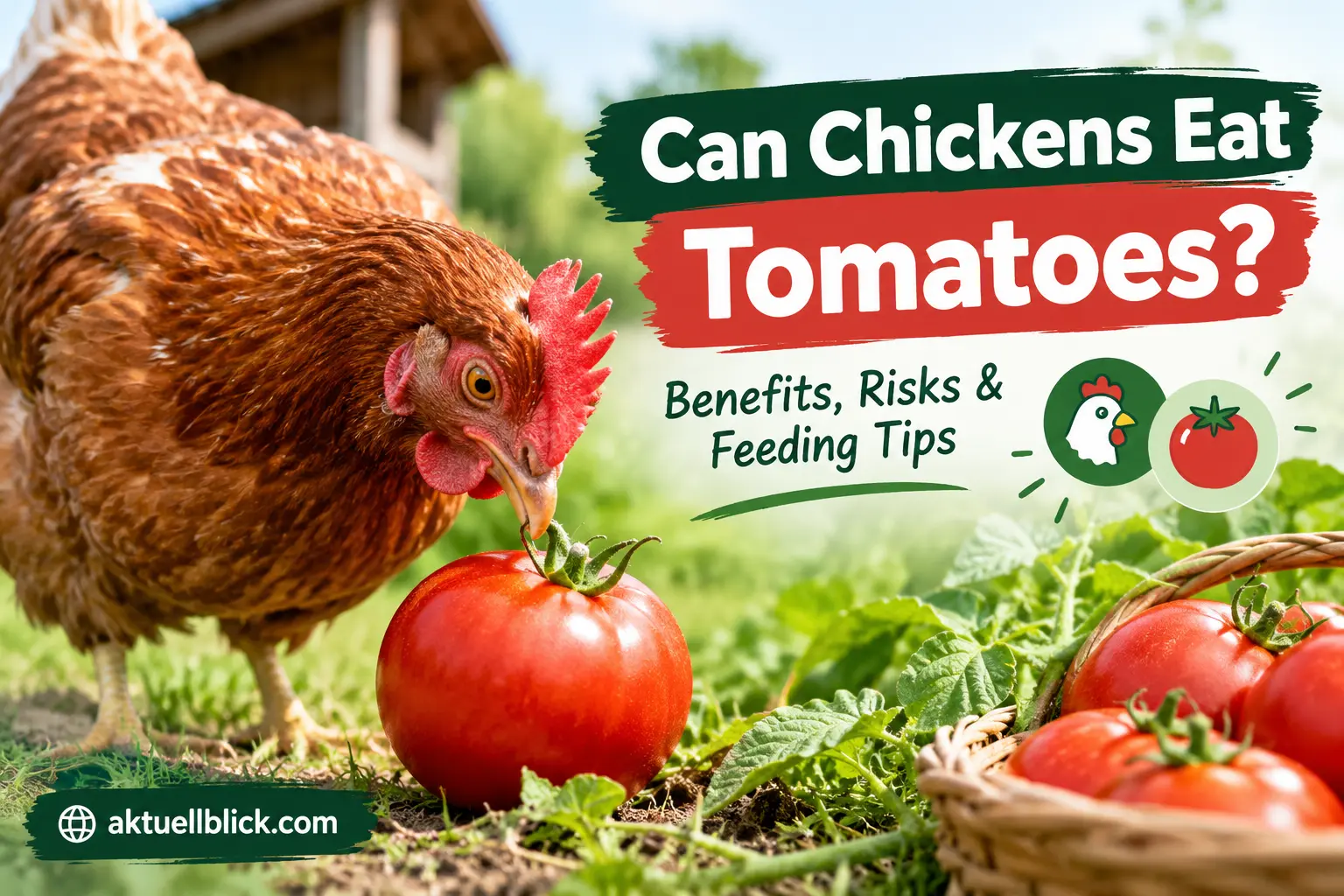

Can chickens eat tomatoes? Yes, ripe tomatoes can be a safe and nutritious occasional treat for backyard chickens when served in moderation. If you have a chicken coop or allow your flock to roam around a vegetable garden, understanding which tomato varieties and plant parts are safe can help you prevent unnecessary health risks. The important distinction is between the ripe tomato fruit and the green parts of the tomato plant.
Many chicken keepers wonder whether tomatoes provide useful nutrients, how much to feed their flock, and whether tomato leaves, stems, seeds, or unripe fruits are dangerous. The answers depend on the tomato’s maturity, how it is prepared, and whether it contains added salt, sugar, or other ingredients.
This guide explains tomato safety for chickens, nutritional benefits, feeding portions, potential toxicity, and practical steps for keeping your flock healthy. You will also learn which other fruits and vegetables make suitable chicken treats and which foods are best avoided.
Can Chickens Eat Tomatoes Safely?
Yes, chickens can generally eat fresh, ripe tomatoes in small amounts. The soft flesh is easy for most healthy adult chickens to peck apart, and its water content can provide some additional hydration, particularly during warm weather.
However, tomatoes should be treated as a supplement to a balanced poultry diet rather than a replacement for regular feed. Commercial layer pellets, grower feed, or an appropriate complete ration should provide the majority of your flock’s nutrition.
A few basic precautions make tomato feeding safer:
- Offer ripe tomatoes that are fresh and free from mold.
- Remove leaves, stems, vines, and other green plant material.
- Cut large tomatoes into manageable pieces to make eating easier.
- Avoid tomato products containing excessive salt, sugar, oil, or seasonings.
- Introduce unfamiliar treats gradually and watch how your flock responds.
- Remove uneaten tomato pieces before they spoil or attract pests.
Are tomatoes safe for every chicken? Ripe tomato flesh is generally suitable for healthy chickens, but age, overall health, diet, and the amount consumed can influence how well an individual bird tolerates a new treat.
Are Tomatoes Good for Chickens?
Tomatoes can be a useful occasional addition to a chicken’s diet, mainly because they provide water, vitamins, and naturally occurring plant compounds. Chickens also enjoy exploring different textures and foods, so small portions can offer variety.
Nevertheless, tomatoes are not a complete poultry food. They contain relatively little protein compared with formulated chicken feed and cannot supply all the nutrients needed for healthy growth, egg production, and maintenance.
The benefits of tomatoes for chickens include:
- Additional moisture: Fresh tomato flesh contains a substantial amount of water.
- Vitamin content: Tomatoes provide vitamin C and some provitamin A carotenoids.
- Antioxidant compounds: Lycopene and other plant compounds contribute to the fruit’s nutritional profile.
- Dietary variety: Small amounts of fresh produce can provide enrichment when offered appropriately.
There are limitations, too. Excessive treats can reduce the amount of balanced feed chickens consume. Tomatoes are also relatively acidic, and feeding large quantities may contribute to digestive upset in some birds.
The best approach is to offer a small serving occasionally while keeping a complete poultry ration available.
What Are the Nutritional Benefits of Tomatoes for Chickens?
Ripe tomatoes contain several nutrients and plant compounds that can complement a chicken’s regular diet. Their nutritional value is useful to understand, although feeding tomatoes does not guarantee specific health improvements.
Water: Tomatoes are mostly water, making them a moisture-rich treat. They can supplement access to clean drinking water but should never replace it.
Vitamin C: Tomatoes contain vitamin C, which plays a role in normal antioxidant activity. Chickens can also synthesize vitamin C themselves, so tomatoes are not required to meet their routine needs under normal conditions.
Carotenoids: Tomatoes contain carotenoids, including beta-carotene, which can be converted into vitamin A. Vitamin A is important for vision, normal tissue maintenance, and immune function. However, tomatoes should not be relied on as the primary source of vitamin A in a flock’s diet.
Lycopene: This red pigment gives ripe tomatoes much of their characteristic color. It is an antioxidant compound found in several red fruits and vegetables.
Potassium: Tomatoes provide potassium, an essential mineral involved in fluid balance, nerve function, and muscle activity.
Fiber and carbohydrates: The fruit contains modest amounts of dietary fiber and carbohydrates. These contribute to its overall nutritional profile but do not make tomatoes a substitute for nutritionally complete feed.
The exact nutrient content depends on tomato variety, ripeness, growing conditions, and preparation. For this reason, a balanced commercial poultry ration remains the most reliable foundation for meeting chickens’ nutritional requirements.
Which Parts of a Tomato Can Chickens Eat?
Not every part of a tomato plant has the same safety profile. The ripe fruit is generally suitable in moderation, while the foliage and stems deserve particular caution.
| Tomato part | General guidance |
|---|---|
| Fully ripe red fruit | Safe as an occasional treat |
| Ripe tomato flesh | Suitable in small portions |
| Tomato seeds inside ripe fruit | Generally safe in normal feeding amounts |
| Tomato skin | Generally safe when the fruit is fresh and ripe |
| Green, unripe tomatoes | Best avoided |
| Tomato leaves | Do not feed |
| Tomato stems and vines | Do not feed |
| Moldy or rotten tomatoes | Discard rather than feed |
| Plain cooked ripe tomato | Generally acceptable in moderation |
| Heavily salted or seasoned tomato products | Avoid |
This distinction matters because tomatoes belong to the nightshade family, Solanaceae. Different plant parts can contain different concentrations of naturally occurring glycoalkaloids.
Should you remove every seed or peel? No. There is generally no need to remove the seeds or skin from a fresh, ripe tomato. Removing the green calyx and stem is a sensible precaution, especially when preparing tomatoes from a garden.
Can Chickens Eat Ripe Red Tomatoes?
Yes. Fully ripe red tomatoes are the preferred choice when feeding fresh tomatoes to chickens.
As tomatoes mature, their chemical composition changes. The fruit develops its characteristic color and generally contains lower levels of certain glycoalkaloids than immature green fruit. This makes ripe tomato flesh a more appropriate treat than unripe tomatoes or tomato foliage.
To serve ripe tomatoes safely:
- Wash the fruit under clean running water to remove dirt and surface residues.
- Remove the stem and green leafy calyx.
- Cut large tomatoes into small, manageable pieces.
- Offer only a modest amount alongside the flock’s regular feed.
- Remove any leftovers before they become spoiled.
Cherry tomatoes and other small varieties can also be offered, but cutting them in half or into smaller pieces is a practical precaution. Avoid throwing large quantities of whole tomatoes into the coop simply because the flock enjoys them.
Ripe tomatoes are particularly convenient when you have extra garden produce. Just remember that freshness and moderation matter more than the tomato’s size or variety.
Can Chickens Eat Green Tomatoes?
It is best not to feed green, unripe tomatoes to chickens.
Green tomatoes naturally contain glycoalkaloids, including tomatine. These compounds are associated with the plant’s natural chemical defenses. Their concentrations vary according to the plant variety, maturity, and growing conditions, so it is not possible to establish one universal safe amount for every green tomato.
This does not mean that every accidental peck at an unripe tomato will cause poisoning. However, deliberately offering green tomatoes is an unnecessary risk when ripe fruit is a readily available alternative.
Keep these precautions in mind:
- Do not use unripe green tomatoes as a regular chicken treat.
- Keep fallen green tomatoes out of the chicken run.
- Prevent chickens from freely eating fruit from tomato plants.
- Avoid feeding green tomatoes simply because they have been chopped or cooked.
- Contact a poultry veterinarian if a chicken eats a substantial amount or develops concerning symptoms.
Cooking should not be assumed to eliminate the relevant glycoalkaloids. Choosing fully ripe fruit is a simpler precaution than trying to make unripe tomatoes suitable through preparation.
Also, do not confuse a naturally green-ripe tomato variety with an ordinary tomato that is still immature. If you grow green-ripe varieties, identify them carefully and seek reliable variety-specific guidance before feeding them to your flock.
Can Chickens Eat Tomato Leaves, Stems, and Vines?
No. Tomato leaves, stems, and vines should not be fed to chickens.
These green parts of the plant can contain tomatine and other glycoalkaloids. Their concentrations vary, but they are not appropriate treats for poultry. Leaves and stems may also be available in large quantities when chickens roam freely around vegetable gardens, making accidental consumption a practical concern.
Tomato foliage includes:
- Mature leaves and young shoots
- Main stems and side branches
- Flowering stems and green calyxes
- Cut vines and discarded plant trimmings
- Fallen green plant material
Do not place tomato vines in a chicken run as bedding, enrichment, or food scraps. Keep pruning waste and uprooted plants outside the flock’s reach.
What if chickens have access to a tomato garden? Use fencing or another physical barrier to prevent pecking at the plants. This protects both the birds and your crop, as chickens can scratch around the roots, damage branches, and eat developing fruit.
If a chicken is seen eating tomato foliage, remove access to the plant and assess the situation. A small accidental nibble does not automatically mean severe poisoning, but a substantial or uncertain exposure warrants prompt veterinary advice, especially if symptoms develop.
Can Chickens Eat Tomato Seeds and Skins?
Yes, the seeds and skin of a fully ripe tomato are generally safe for chickens in ordinary feeding quantities.
Tomato seeds are contained within the ripe fruit’s pulp and are not equivalent to the seeds of every potentially toxic plant. You do not need to remove them from a ripe tomato before serving it.
The skin is also generally suitable. However, washing is important because dirt, environmental contamination, and some pesticide residues may remain on the surface.
For safe preparation:
- Wash the tomato thoroughly.
- Remove the green stem and calyx.
- Cut thick-skinned or large tomatoes into smaller pieces when practical.
- Avoid fruit that is moldy, rotten, or contaminated.
- Do not feed tomatoes treated with garden chemicals unless their safe use for food-producing animals is established.
Seeds and skins are not the primary concern with ripe tomatoes. The more important distinctions are the fruit’s maturity, freshness, and the amount offered.
Can Chickens Eat Cherry Tomatoes and Grape Tomatoes?
Yes, ripe cherry tomatoes and grape tomatoes are generally suitable for adult chickens in moderation. They offer the same basic advantages as other ripe tomato varieties, including moisture and several plant nutrients.
Their small size makes them convenient for serving, but it does not mean they should be offered without limits.
For safer feeding:
- Choose ripe, fresh tomatoes.
- Cut them in half or into smaller pieces, particularly for smaller birds.
- Remove any green stems or leafy material.
- Offer only a modest quantity.
- Pick up leftovers after feeding.
Chickens may peck at a tomato and swallow pieces quickly, so cutting small tomatoes is a sensible precaution. Do not assume that every bird will handle the fruit in the same way.
Yellow, orange, and other ripe tomato varieties can also be suitable. The important factors are maturity, freshness, and moderation rather than color alone.
For the latest updates and insights, explore ariana madix net worth today.
Can Chickens Eat Cooked Tomatoes?
Yes, plain cooked tomatoes made from fully ripe fruit can generally be offered to chickens in small amounts.
Cooking may soften the flesh, making it easier to peck apart. However, it does not make an otherwise unsuitable ingredient automatically safe. Green tomatoes, tomato leaves, and stems should still be excluded.
Suitable examples include small amounts of:
- Plain cooked ripe tomato
- Soft tomato pieces without added seasoning
- Cooked tomato flesh left over from food preparation, provided it is fresh and uncontaminated
Avoid tomato dishes prepared with excessive salt, chili, spicy seasonings, butter, or large quantities of oil. Onion- and garlic-heavy sauces are also best avoided because concentrated amounts of these ingredients can be harmful to poultry.
Let cooked tomatoes cool completely before serving them. Never offer food that is hot enough to burn the bird’s mouth or crop.
Fresh ripe tomatoes are usually the simplest choice because they require less preparation. Cooking is optional, not necessary for safety.
Can Chickens Eat Canned Tomatoes, Tomato Sauce, or Ketchup?
Plain canned tomatoes may be suitable in small amounts if they contain ripe tomato fruit and no problematic additives. However, check the ingredient label carefully before offering them.
Commercial tomato products differ considerably in salt, sugar, acidity, seasonings, and preservatives. A product suitable for people is not necessarily a good choice for chickens.
Canned tomatoes: Choose plain products without added salt or heavy seasoning where possible. Drain excess liquid and offer only a small portion.
Tomato sauce: Many sauces contain salt, sugar, onion, garlic, chili, or oil. These ingredients make them less suitable than plain ripe tomatoes. It is generally better to skip heavily seasoned sauces.
Ketchup: Ketchup often contains added sugar and salt, along with vinegar and other ingredients. It provides little advantage over fresh fruit and should not be a routine chicken treat.
Canned tomato paste: Concentrated tomato products can deliver more tomato material in a small quantity and may contain added salt. Fresh ripe tomatoes are the simpler option.
If you are uncertain about a product’s ingredients, do not feed it to your flock. Chickens do not need processed tomato products to maintain a healthy diet.
Why Are Green Tomatoes and Tomato Plants Potentially Toxic to Chickens?
The main concern is the presence of naturally occurring glycoalkaloids in tomato plants. These compounds contribute to the plant’s defenses against pests and other threats.
Two terms are particularly relevant: tomatine and solanine.
Tomatine is the glycoalkaloid commonly associated with tomato plants, especially their green tissues and immature fruit. Its concentration generally decreases as ordinary tomatoes ripen, although the exact amount depends on several factors.
Solanine is another glycoalkaloid associated particularly with potatoes and some other nightshade plants. It is often mentioned in general discussions of nightshade toxicity, but tomatine is the more directly relevant compound when discussing tomato foliage and unripe tomatoes.
Why does this matter for chickens? Glycoalkaloids can interfere with normal biological processes when consumed in sufficient amounts. The severity of an exposure depends on factors such as the compound, concentration, amount eaten, and size and health of the bird.
There is no universally established household feeding threshold that makes green tomato fruit or tomato leaves safe for every chicken. Therefore, the practical recommendation is straightforward: feed ripe tomato flesh only and keep the green plant parts away from the flock.
This approach reduces avoidable exposure without suggesting that every tomato-related accident will result in poisoning.
What Are the Risks of Feeding Tomatoes to Chickens?
Ripe tomato flesh is generally safe in moderation, but inappropriate preparation or excessive feeding can create several problems.
1. Exposure to glycoalkaloids
Green tomatoes, leaves, stems, and vines may contain higher concentrations of glycoalkaloids than ripe fruit. Significant ingestion can be harmful, so these plant parts should not be used as treats.
2. Nutritional imbalance
Tomatoes contain much less protein and fewer essential nutrients per serving than complete poultry feed. Feeding too many treats can displace the balanced ration chickens need for normal growth, maintenance, and egg production.
3. Digestive upset
A sudden change in diet or a large amount of watery produce may affect droppings and digestive comfort. Introduce new foods gradually and reduce treats if you notice changes.
4. Spoilage and mold
Rotting or moldy tomatoes should be discarded. Spoiled food may expose chickens to harmful microorganisms or fungal contaminants.
5. Choking or swallowing difficulties
Large, slippery pieces can be difficult for some birds to manage. Cutting tomatoes into manageable pieces is a sensible precaution, particularly for small chickens.
6. Excess salt and additives
Processed tomato foods can contain substantial salt, sugar, or seasonings. These ingredients offer no nutritional advantage that justifies making such products a regular part of the diet.
7. Pesticide and garden-chemical exposure
Tomatoes and plant trimmings may carry chemical residues depending on how they were grown and treated. Wash edible fruit thoroughly and follow product-label instructions for any garden chemicals used around poultry.
The overall risk depends less on the word “tomato” and more on which part is eaten, how fresh it is, how much is consumed, and what else is in the food.
How Many Tomatoes Can Chickens Eat?
There is no scientifically established universal tomato serving size that applies to every chicken. A sensible approach is to offer a small amount of ripe tomato as part of the flock’s overall treat allowance.
For healthy adult chickens, start with a few small pieces per bird rather than a whole large tomato. Observe how the flock responds before offering more on another occasion.
The appropriate portion depends on:
- The bird’s size and age
- Its normal feed intake
- The amount of other treats provided that day
- The tomato’s size and condition
- Whether the chicken has any existing health or digestive concerns
A useful general rule is to keep all treats combined, including tomatoes, vegetables, fruit, grains, and kitchen scraps, to no more than about 10% of the overall diet. The remaining diet should come primarily from a nutritionally complete poultry feed. This is a practical feeding guideline, not a precise tomato-specific toxicity threshold.
For example, if your chickens receive several different treats during the day, the tomato portion should be reduced accordingly. Do not give extra tomatoes simply because the birds have finished eating them quickly.
For laying hens, balanced feed is particularly important because egg production requires an appropriate supply of protein, calcium, phosphorus, and other nutrients.
How Often Can You Feed Tomatoes to Chickens?
For most backyard flocks, offering ripe tomatoes occasionally is a reasonable approach. Once or twice a week can serve as a practical starting point for planning treats, although this is not a scientifically established frequency required for chicken health.
The amount matters as much as the frequency. A small serving occasionally is different from providing a large quantity every time you feed your flock.
Consider these guidelines:
- Maintain a complete poultry ration as the main food source.
- Rotate tomatoes with other suitable fruits and vegetables.
- Avoid offering so many treats that chickens eat less of their regular feed.
- Introduce unfamiliar foods gradually.
- Remove leftovers to prevent spoilage.
- Adjust treat amounts to the flock’s size and feeding routine.
Chickens do not need tomatoes to remain healthy. They can receive the nutrients they require from a properly formulated diet, so tomato feeding should be viewed as optional variety rather than a dietary necessity.
How to Prepare Tomatoes for Chickens Safely
Proper preparation helps reduce avoidable feeding risks and makes tomatoes easier for chickens to eat.
Step 1: Select ripe fruit. Choose firm, ripe tomatoes with no mold, rot, or suspicious discoloration. Avoid green, unripe fruit.
Step 2: Wash thoroughly. Rinse the tomato under clean running water to remove dirt and surface contamination. Do not use soap or household cleaning chemicals on produce intended for feeding.
Step 3: Remove the green parts. Cut away the stem and leafy calyx. Keep leaves, vines, and other discarded plant material out of the chicken run.
Step 4: Cut into manageable pieces. Slice large tomatoes into small chunks. Halve or quarter cherry tomatoes as appropriate for the birds.
Step 5: Serve in moderation. Offer the prepared fruit as a treat alongside the regular poultry ration. Do not use it to replace a meal of complete feed.
Step 6: Remove leftovers. Collect uneaten pieces before they spoil, attract flies, or become contaminated with droppings and bedding.
Step 7: Observe the flock. Watch for unusual behavior or digestive changes after introducing any new food. Stop offering tomatoes if you suspect an adverse reaction.
These steps are easy to follow whether you keep a small backyard flock or a larger group of laying hens.
Can Chickens Eat Tomatoes Every Day?
It is better not to make tomatoes a daily staple. Although ripe tomato fruit can be suitable in moderation, chickens need a consistent supply of balanced feed rather than frequent servings of low-protein treats.
Daily treats can become a problem when they reduce consumption of layer pellets, grower feed, or another complete poultry ration. This is especially important for young birds and laying hens with specific nutritional requirements.
If you have an abundance of ripe tomatoes from your garden, distribute them in modest portions over time rather than feeding the entire surplus at once. You can also share suitable produce with other animals only after checking that it is appropriate for each species.
Remember that variety does not automatically mean better nutrition. A balanced diet should remain the priority, with tomatoes and other treats used sparingly.
Can Baby Chicks Eat Tomatoes?
Baby chicks have different nutritional needs from adult chickens. During their early growth stages, they require an appropriate chick starter feed that supplies sufficient protein, vitamins, minerals, and energy.
Ripe tomato flesh is not inherently the same concern as green tomato foliage, but it is generally better to prioritize starter feed and avoid introducing unnecessary treats while chicks are very young.
If you choose to introduce a small amount of ripe tomato to older, healthy chicks, take extra care:
- Use only fully ripe, fresh fruit.
- Remove all green plant material.
- Cut the fruit into very small, manageable pieces.
- Offer only a tiny amount.
- Make sure suitable chick feed remains readily available.
- Provide access to appropriate chick-sized insoluble grit when supplementary foods require it, following reliable poultry-care guidance.
Chicks should not be expected to obtain their nutritional needs from tomatoes, fruit, or kitchen scraps. If a young bird is weak, unwell, or struggling to eat, consult a poultry veterinarian instead of experimenting with treats.
Can Laying Hens and Roosters Eat Tomatoes?
Yes, healthy adult laying hens and roosters can generally eat small amounts of ripe tomato flesh.
However, their nutritional needs are not identical. Laying hens require a suitable layer ration that supports egg production and provides appropriate calcium and other essential nutrients. Roosters do not have the same egg-shell calcium requirements, so their feed should be appropriate for their role and the management of the flock.
For laying hens, tomatoes should not displace balanced layer feed. Excessive treats can reduce the intake of nutrients needed to maintain normal laying performance and shell quality.
For roosters, the same basic rule applies: complete feed should remain the foundation of the diet, and ripe tomatoes should be occasional treats.
Neither sex should be given tomato leaves, stems, vines, or green, unripe fruit. The maturity and plant part matter more than whether the chicken is male or female.
What Happens If Chickens Eat Too Many Tomatoes?
Eating a large quantity of ripe tomatoes may cause digestive changes or reduce the amount of balanced feed a chicken consumes. However, there is no single response that occurs in every bird, and not every chicken that eats extra ripe tomato will become ill.
Potential concerns include:
- Loose or unusually watery droppings
- Reduced interest in normal feed
- Digestive discomfort
- Nutritional imbalance if excessive treats are a regular habit
A different level of concern applies when the bird eats green tomatoes, tomato leaves, stems, or vines. In those cases, the potential exposure to glycoalkaloids makes veterinary assessment more important.
If you notice abnormal droppings after feeding tomatoes, stop offering the fruit and make sure clean water and the normal ration are available. Seek veterinary advice if symptoms persist, worsen, or occur alongside lethargy, weakness, loss of appetite, or other unusual behavior.
Do not assume that every digestive problem is caused by tomatoes. Poultry illness can have many causes, and persistent symptoms require proper assessment.
What Should You Do If a Chicken Eats Green Tomatoes or Tomato Leaves?
First, prevent further access to the plant. Move the chicken away from the tomato patch and remove any remaining green fruit, leaves, stems, or vines.
Next, assess the situation without delaying veterinary help if the exposure may be significant.
- Identify what was eaten. Determine whether the bird consumed ripe fruit, green fruit, leaves, stems, or a mixture.
- Estimate the amount. Note whether the chicken took a small nibble or consumed a substantial quantity.
- Record the timing. Write down approximately when the exposure occurred.
- Observe the bird. Watch for changes in appetite, activity, droppings, coordination, or general behavior.
- Contact a poultry veterinarian. Seek prompt advice if the amount is substantial or uncertain, or if any symptoms develop.
Do not induce vomiting, force-feed the bird, or administer home remedies without veterinary instructions. Chickens can deteriorate quickly when seriously ill, and inappropriate treatment may create additional problems.
If multiple birds had access to the plants, inspect the entire flock and secure the area. A veterinarian can help determine whether monitoring or further treatment is appropriate based on the suspected exposure and the bird’s condition.
How to Keep Chickens Safe Around Tomato Plants in Your Garden
Tomato plants and free-ranging chickens can coexist, but they should be managed carefully. The simplest way to reduce exposure is to separate the birds from the plants.
Install a physical barrier. Use secure garden fencing or a protected growing area to prevent chickens from reaching tomato foliage and developing fruit.
Collect fallen tomatoes. Remove fallen green fruit and damaged plant material regularly. Ripe fallen fruit can also spoil quickly and attract insects.
Dispose of pruning waste safely. Keep trimmed stems, leaves, vines, and uprooted plants out of the chicken run and compost areas the birds can access.
Control access to compost. Vegetable scraps and garden waste should be managed so that chickens cannot consume potentially unsuitable plant material.
Check the garden after storms. Wind and heavy rain may break branches or knock fruit to the ground, increasing the chance that chickens will encounter green tomatoes.
Follow chemical safety instructions. Keep birds away from areas treated with pesticides, herbicides, or fertilizers according to the product label and appropriate agricultural guidance.
A protected garden benefits both the chickens and the plants. Chickens can damage seedlings, scratch up roots, and peck at fruit, so separating the two often makes garden management easier.
Can Chickens Eat Overripe, Bruised, or Moldy Tomatoes?
The condition of the tomato matters. A ripe tomato that is slightly soft or has a small bruise may still be usable if the damaged area is limited and the rest of the fruit is fresh and free from spoilage. Wash it, remove the damaged portion generously, and serve only sound flesh.
However, discard tomatoes that are moldy, rotten, fermented, slimy, or contaminated with droppings or chemicals.
Mold is a particular concern because some fungi can produce mycotoxins. The absence of visible mold does not always guarantee that spoiled food is safe, and chickens should not be used as a way to dispose of questionable produce.
Use these distinctions:
- Fresh and ripe: Suitable in moderation.
- Slightly bruised but otherwise sound: Remove damaged tissue and inspect carefully.
- Very soft or leaking: Discard if deterioration is suspected.
- Moldy or rotten: Do not feed.
- Fermented or foul-smelling: Discard.
- Contaminated with garden chemicals: Do not feed unless safety is established.
When in doubt, throw the tomato away. The small cost of replacing a questionable treat is not worth the potential risk to the flock.
What Other Fruits and Vegetables Can Chickens Eat Safely?
Tomatoes are only one of many produce options that can add variety to a chicken’s diet. Many fresh fruits and vegetables are suitable in small quantities, provided they are prepared appropriately and do not replace complete poultry feed.
| Food | General guidance |
|---|---|
| Cucumbers | Suitable in modest portions |
| Watermelon flesh | Suitable as an occasional treat; remove the rind if it is difficult for birds to eat |
| Strawberries | Suitable when fresh and served in small portions |
| Blueberries | Suitable as an occasional fruit treat |
| Apples | Suitable when chopped; remove seeds and avoid rotten fruit |
| Carrots | Suitable raw when finely grated or chopped, or cooked until soft |
| Pumpkin flesh | Suitable as an occasional treat |
| Zucchini | Suitable fresh and cut into manageable pieces |
| Lettuce | Generally suitable, although watery varieties offer limited nutrition |
| Broccoli | Suitable in small amounts |
| Peas | Suitable when plain and appropriately prepared |
| Leafy greens such as kale | Suitable as part of a varied treat selection |
Wash produce thoroughly and remove spoiled portions before feeding. Cut hard vegetables into pieces chickens can manage comfortably.
Some foods require particular caution. Raw or green potato parts can contain glycoalkaloids, and dried beans that have not been properly cooked can be toxic. Avocado flesh and especially the skin, pit, and leaves should be avoided because of concerns about persin exposure and the lack of a dependable safe feeding margin for poultry.
Do not assume that a food is safe simply because it is natural, edible by humans, or commonly found in a kitchen. Check its suitability for chickens before offering unfamiliar scraps.
What Foods Should You Never Feed Chickens?
A few foods and food categories deserve particular caution because they can cause poisoning, digestive problems, or nutritional imbalance.
Green potatoes and potato sprouts: These may contain elevated glycoalkaloid levels. Do not feed green or sprouted potatoes or their green parts.
Tomato leaves, stems, and unripe fruit: These can contain glycoalkaloids, including tomatine. Stick to ripe tomato flesh if offering tomatoes.
Dried or raw kidney beans: Uncooked kidney beans can contain high concentrations of phytohaemagglutinin, a harmful lectin. Do not feed them to chickens.
Chocolate and cocoa products: These can contain theobromine and caffeine, compounds that may be toxic to birds.
Foods containing alcohol or large amounts of caffeine: These are inappropriate for poultry and should be kept out of reach.
Moldy or rotten scraps: Spoiled food can expose chickens to harmful microorganisms and mycotoxins.
Very salty foods: Excess salt can be dangerous, especially when birds consume concentrated amounts.
Sugary and heavily processed foods: These provide little nutritional value and can displace the balanced feed chickens need.
Unknown plants and garden trimmings: Some ornamental and wild plants are poisonous. Identify them before allowing chickens to forage around them.
Foods contaminated with chemicals: Keep produce away from pesticides, herbicides, cleaning agents, and other contaminants.
Onions and garlic also deserve caution in concentrated quantities because compounds in the allium family can affect red blood cells. Avoid using large amounts of these ingredients in chicken treats.
A good rule is to provide a complete poultry ration as the main diet, fresh clean water at all times, and only small amounts of verified safe treats.
For the latest updates and insights, explore Tony Hinchcliffe Net Worth today.